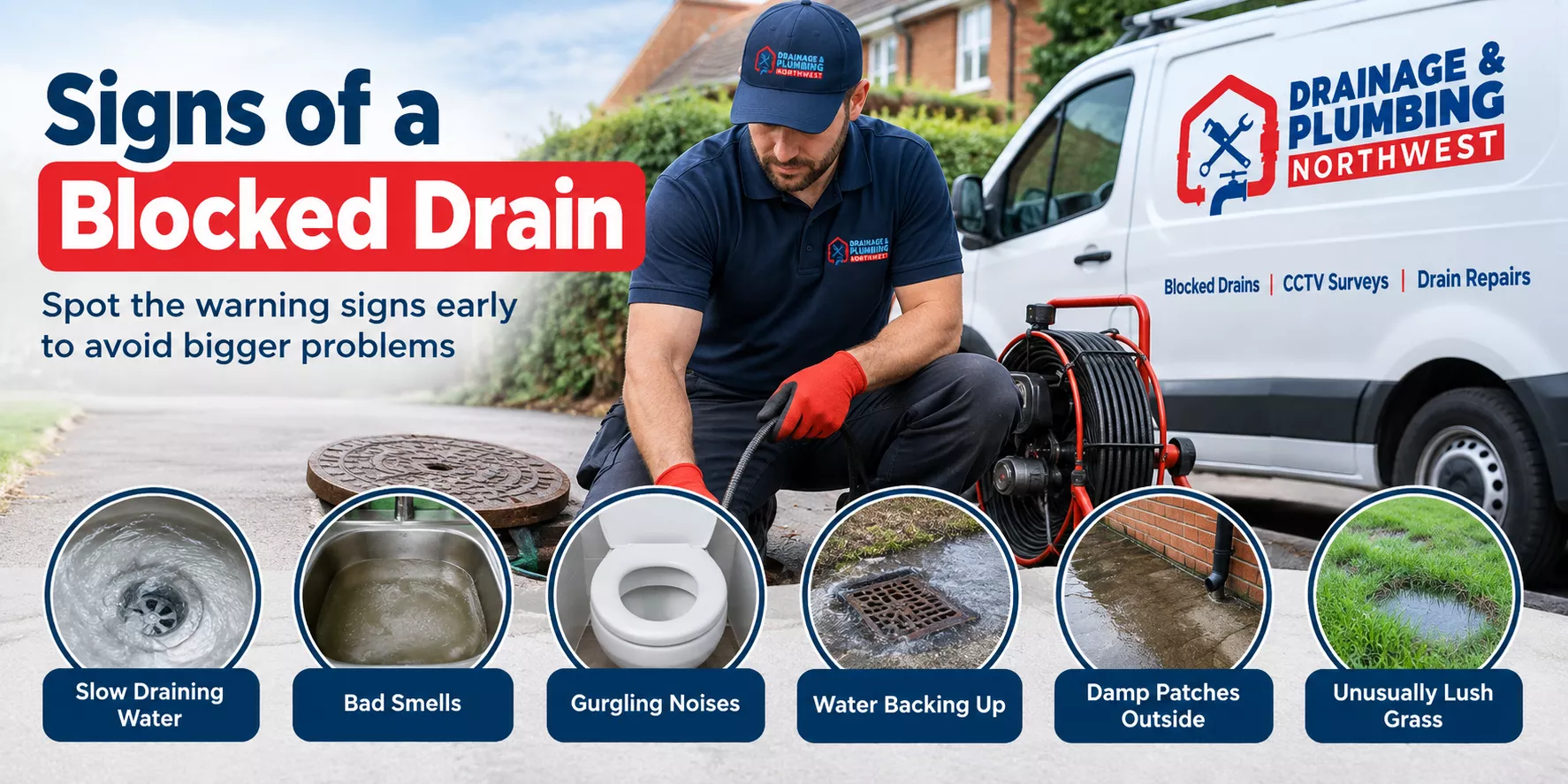
Blocked drains can occur at different points in a property’s drainage system, and the type of blockage often depends on the fixture, the waste entering the pipe and where the obstruction has formed. Blocked toilets are commonly linked to excess toilet paper, wet wipes, sanitary products or foreign objects, while blocked sinks and basins often develop because grease, food scraps, toothpaste, soap or other residue builds up in the trap or waste pipe. Blocked baths and showers are more frequently caused by hair, soap scum, dirt and mineral deposits collecting around the waste opening or farther down the pipe. These local blockages may cause slow drainage, gurgling, rising water or a complete loss of flow, and minor obstructions can sometimes be cleared with a plunger, drain snake or by cleaning an accessible trap.
Outside drains and surface gullies can become blocked by leaves, moss, dirt, silt and other garden debris, while outside kitchen drains may also collect fat, oil and food waste discharged from internal pipework. Deeper problems can affect waste pipes, downpipes, main drains, shared drains, lateral drains and sewer lines, particularly when several toilets, sinks or showers become blocked at the same time. Recurring blockages, sewage backflow, foul smells, standing water, overflowing manholes or flooding can indicate a deeper or structural problem such as tree-root intrusion, heavy grease or scale build-up, cracked pipes, collapsed drains or defective pipework. These more serious drainage problems usually require a professional drainage engineer using methods such as CCTV drain surveys, mechanical rodding, high-pressure jetting, descaling, drain repair or relining.
Does the Location of a Blocked Drain Help Identify the Problem?
Yes. The location of a blocked drain can reveal the likely cause, depth and severity of the problem. If only one sink, toilet, bath or shower is affected, the blockage is usually localised near the plughole, trap or nearby pipework and may be caused by hair, soap residue, food particles, grease or light debris. If several fixtures are slow or blocked at the same time, the obstruction is more likely to be deeper in the system or within the main drainage line.
Recurring blockages, water that will not drain, or problems affecting several fixtures can indicate grease build-up, tree root ingress, cracked or collapsed pipework, foreign objects or displaced joints. Outdoor drains, gullies and inspection chambers are more commonly affected by leaves, mud, silt, grease, debris and tree roots.
Symptoms around the blockage provide further clues. A minor smell from one plughole may suggest trapped surface debris, while strong sewage odours, gurgling from multiple drains, water backing up between fixtures, overflowing outside drains, leaks, damp patches or flooding can indicate a deeper or more serious drainage problem.
Small, localised blockages may respond to a plunger, drain snake or trap cleaning. However, recurring, widespread or stubborn blockages usually require professional diagnosis. A CCTV drain inspection can identify hidden damage or obstructions, while drain cleaning, high-pressure jetting, lining or repair work may be needed depending on the cause.
If the blockage causes sewage back-up, flooding, overflowing toilets, several unusable fixtures, strong sewage smells or signs of a collapsed pipe, it should be treated as an emergency. Overall, where the blockage occurs, how many fixtures are affected and what symptoms appear can significantly narrow down the cause and help determine the correct treatment.
What Causes a Blocked Toilet?
A blocked toilet is usually caused by too much toilet paper, solid waste, non-flushable items, foreign objects, build-up, weak flushing pressure or a deeper drainage fault. Wet wipes, sanitary products, cotton wool, cotton swabs and paper towels are common causes because they do not break down as easily as toilet paper and can snag inside the trap or pipework.
Food scraps, oil, grease, toys, pens and plastic objects can also create physical obstructions. Trapped waste and debris may restrict the toilet waste pipe, while limescale, urine scale and other deposits can gradually narrow the pipework and reduce water flow.
Weak flushing pressure can contribute to repeated clogging if low cistern water levels, mineral build-up in the rim jets or an older low-flow toilet fail to push waste fully through the pipes. A shallow blockage may sit close to the toilet outlet, while persistent or stubborn clogs can be located deeper in the toilet waste pipe or drainage system.
A partial blockage allows waste to pass slowly and may cause slow drainage, gurgling or temporary rising water levels. A complete blockage prevents water from passing altogether, causing the bowl water to remain high, rise or overflow.
If the toilet keeps blocking after it has been cleared, the cause may be a hidden problem such as trapped debris, pipework build-up, damage or a deeper waste-pipe obstruction. If several sinks, drains or toilets are also draining slowly, or an outside gully is overflowing, the problem may extend into the wider drainage or sewer system.
For toilets connected to a septic tank or cesspit, a full tank, damaged drainage field or system imbalance can also stop water draining properly and cause repeated blockages.
Overall, the main causes of a blocked toilet are excess toilet paper, wipes, sanitary products, cotton products, food waste, oil, grease, foreign objects, trapped debris, limescale, weak flushing force and deeper drainage faults. Slow drainage, gurgling, bad smells, rising water and repeated clogging can help indicate how deep or serious the blockage is.
Why Does a Toilet Keep Blocking?
A toilet usually keeps blocking because the underlying obstruction or drainage fault has not been fully resolved. Common causes include lodged foreign objects, non-flushable items, excessive toilet paper, mineral build-up, weak flushing pressure, a blocked vent, or a deeper blockage in the toilet waste pipe or main drainage system. Repeated clogging can also indicate pipework damage, trapped debris, tree root intrusion or an off-mains drainage problem.
Important causes and warning signs include:
- Non-flushable items: Wet wipes, sanitary products, cotton wool, cotton swabs and paper towels can remain intact and repeatedly obstruct the pipework.
- Build-up and weak flushing: Limescale, mineral deposits, blocked rim jets or low cistern water can reduce flushing force and leave waste behind.
- Deep blockages: Trapped debris or an obstruction in the toilet waste pipe can cause the toilet to clog again soon after it has been cleared.
- Wider drainage faults: If other sinks, toilets or drains are slow, or an outside gully overflows, the problem may involve the main drainage line rather than the toilet alone.
- Septic or cesspit problems: A full tank, damaged drainage field or system imbalance can cause repeated toilet clogging in properties with off-mains drainage.
If the toilet repeatedly blocks after clearing, especially with slow drainage, gurgling, rising water, bad smells or overflowing drains, the problem is likely deeper than a simple bowl-level clog and may require professional inspection.
Why Does Toilet Water Rise After Flushing?
Toilet water usually rises after flushing because the water cannot leave the bowl as quickly as the flush adds it. The most common cause is a partial clog in the toilet trap or drainpipe, often from debris, excessive toilet paper or non-flushable items. A blocked plumbing vent can also reduce airflow and suction, causing a weak flush and temporary water back-up.
Important signs and causes include:
- Partial blockage: Water rises, then drains away slowly.
- Debris or excess paper: Narrows the pipe and restricts water flow.
- Blocked vent stack: Reduces airflow and flushing efficiency.
- Deeper obstruction: If plunging fails, the blockage may be further down the trap or drainpipe.
- Other slow drains: Can indicate a wider drainage-system problem.
- Overflow risk: Do not keep flushing if the bowl water is already high.
A flange plunger may clear a local blockage, while a toilet auger can reach deeper obstructions. If the water continues to rise, drains very slowly, or other fixtures are affected, a professional plumber may be needed.
What Causes a Blocked Kitchen Sink?
A blocked kitchen sink is usually caused by fat, oil and grease, food waste, soap scum, foreign objects, or a blockage deeper in the waste pipe or wider drainage system. These materials gradually build up inside the pipework, reduce the space available for water to flow, and can eventually cause slow drainage, standing water or a completely blocked sink.
Fat and Grease
Fat, oil and grease are major causes of kitchen sink blockages. When hot cooking oil or grease is poured down the drain, it may enter the pipe as a liquid, but as it cools it solidifies and clings to the pipe walls. Over time, this forms a sticky greasy layer that traps food particles, soap scum and other debris, gradually narrowing the pipe until the sink drains slowly or stops draining altogether. Hardened fat deposits can also form deeper in the waste pipe and become difficult to remove with basic household methods.
Soap residue can make grease-related blockages worse. When soap reacts with minerals in tap water, it forms soap scum, a sticky coating that collects on the inside of pipes and gives food debris and grease another surface to cling to. The blockage is therefore often a combination of grease, soap residue and food rather than one material alone.
Food Waste
Food waste is another common cause of blocked kitchen sinks. Coffee grounds, rice, pasta, potato or vegetable peelings and other food scraps can accumulate inside the U-bend or waste pipe. Some foods swell or clump together, while coffee grounds can form a sticky mass, particularly when they mix with grease and soap scum. This combined build-up can create a dense, stubborn obstruction that restricts wastewater flow.
Foreign objects such as cutlery, bottle caps or small toys can also create a local obstruction, while a jammed or overloaded waste-disposal unit can prevent water from leaving the sink normally. If the blockage is close to the sink, it may be located in the U-bend; if local clearing methods fail, the obstruction may sit deeper in the waste pipe.
Water Backing Up Into the Sink
Water backs up into the sink when the drain cannot carry wastewater away quickly enough. With a partial blockage, the sink may drain slowly because grease, food debris, soap scum or other material has narrowed the pipe. With a complete blockage, water cannot pass at all and remains standing in the basin.
If water backs up into other sinks or drains as well, or you notice recurring blockages, gurgling pipes or persistent foul smells, the problem may be deeper than the kitchen sink itself. Possible causes include a blockage beyond the U-bend, a shared soil pipe, an outside drain blockage, damaged pipework or another fault in the main drainage system. These wider symptoms usually require professional diagnosis.
Overall, the main causes of a blocked kitchen sink are solidified fat and grease, food scraps, coffee grounds, rice, pasta, vegetable peelings, soap scum, foreign objects, waste-disposal problems, U-bend blockages and deeper drainage faults. As these materials accumulate, they restrict water flow until the sink drains slowly, backs up or becomes completely blocked.
What Causes a Blocked Bathroom Sink?
A blocked bathroom sink is usually caused by hair, soap scum, toothpaste, grooming products, cosmetic waste, foreign objects or debris building up inside the drain. These materials often combine rather than acting alone. Hair can catch soap, toothpaste, skin, dirt and beauty-product residue, while sticky or hardened deposits gradually narrow the waste pipe. Blockages commonly form around the pop-up stopper, P-trap or U-bend, although persistent problems can also come from a deeper waste-pipe blockage, poor pipe installation, the main soil pipe or an external drain.
Hair
Hair is one of the most common causes of a blocked bathroom sink. Loose strands can remain inside the plumbing instead of washing away, particularly when water flow is not strong enough to carry them through. The strands then clump together and act like a net, catching more hair, shed skin, dirt, soap, toothpaste, shampoo and other grooming residue. As this material accumulates, it forms a thicker obstruction that can slow or completely stop water flow.
Hair often becomes trapped around the pop-up stopper, basin waste or P-trap, where the shape of the fittings makes it easier for debris to collect. The P-trap or U-bend can also hold gunk, sludge and dropped items, making it another common blockage point. Dental floss, hair ties, jewellery, cotton wool and similar foreign objects can make a hair blockage more severe by providing additional material for debris to catch on.
Soap
Soap contributes to bathroom sink blockages by creating soap scum and sticky residue inside the pipework. When soap mixes with minerals in hard water, it can leave a film on the inside of the drain. This coating gradually builds up and provides a sticky surface for loose hair, skin, dirt and other debris to attach to, making the drainage passage progressively narrower.
Shampoo and other viscous grooming liquids can behave in a similar way. They may become caught in existing clusters of hair or sludge rather than flowing completely through the system. Over time, the combination of hair, soap scum, shampoo, skin and dirt can dry or thicken into a stubborn build-up, resulting in slow drainage or a completely blocked basin.
Toothpaste
Toothpaste can cause a blockage when thick or dried residue remains inside the drain. Although toothpaste appears to wash away easily, it can harden and cling to the internal surface of the waste pipe. It can also become trapped in existing hair clusters and combine with soap scum, shampoo and other grooming residues to create a sticky obstruction.
Repeatedly allowing thick toothpaste, dried toothpaste or shaving cream to enter the sink without rinsing it away thoroughly can increase the amount of residue inside the pipe. Over time, this accumulation can reduce the available space for wastewater to pass through and contribute to recurring slow drainage or clogging. The source specifically recommends thoroughly rinsing toothpaste remnants rather than pushing dried residue down the sink.
Cosmetic Waste
Cosmetic and skincare products can also contribute to blocked bathroom sinks. Clay masks, skincare oils, exfoliants, creams, make-up and shaving products can be thick, oily or gritty. When they are rinsed into the basin, some may solidify, cling to the pipe walls or become trapped in existing hair and soap scum, gradually restricting water flow.
Disposable personal-care items can make the problem worse. Cotton pads, wipes, tissues, cotton wool, dental floss and hair ties do not dissolve readily and can create a physical obstruction if they enter the drain. Old creams and make-up can add further product residue, while gritty skincare products such as clay masks and exfoliants can create deposits inside the pipework.
As the blockage grows, the sink may begin to drain slowly, and a more severe obstruction can leave standing water in the basin. If clearing the stopper or P-trap does not solve the problem, the blockage may be deeper in the waste pipe. Recurring blockages can also point to wrongly angled pipework, poor plumbing installation, a blockage in the main soil pipe or an external drain problem. Heavy rain, mud, dirt and leaves entering outside drains can sometimes create wider drainage problems that cause wastewater to back up into the bathroom basin.
Overall, the main causes of a blocked bathroom sink are hair clumps, soap scum, hard-water minerals, toothpaste residue, shampoo, shaving cream, clay masks, skincare oils, exfoliants, creams, make-up, shed skin, dust, dirt, cotton pads, wipes, dental floss, hair ties and other debris. These materials collect around the stopper, P-trap or deeper pipework, where they form sticky, hardened or physical obstructions that restrict drainage and can eventually stop the sink from draining altogether.
What Causes a Blocked Shower Drain?
A blocked shower drain is usually caused by hair, soap scum, dead skin cells, body oils, shampoo residue, hard-water minerals and other debris building up inside the pipework. Hair is often the main cause because it catches around the plughole or shower trap, clumps together and acts like a net for soap scum, skin, oils and product residue. Soap can mix with minerals in the water to form a sticky coating, while hard water can create limescale deposits that narrow the pipe and make it easier for additional debris to collect.
Important causes and signs include:
- Hair: Forms clumps and traps other debris.
- Soap scum: Creates sticky residue on pipe walls.
- Dead skin and body oils: Combine with hair to form grime and slime.
- Shampoo residue: Adds to the thick organic build-up.
- Hard water and limescale: Mineral deposits narrow the drainage passage.
- Mould, mildew and bacteria: Can develop within damp organic build-up.
- Slow drainage: Usually indicates a partial blockage.
- Standing water or no drainage: Suggests a more complete obstruction.
- Recurring blockages: May indicate a deeper clog, ageing pipework or another underlying drainage issue.
As these materials continue to accumulate around the plughole, shower trap or deeper pipework, the available space for wastewater becomes progressively smaller. What begins as slow drainage can therefore develop into standing water and eventually a completely blocked shower drain.
What Causes a Blocked Bath Drain?
A blocked bath drain is usually caused by hair, soap scum, bath-product residue, dead skin cells, dirt, hard-water minerals and small foreign objects building up inside the drainage system. Hair often catches around the plughole or drain mechanism and forms a net that traps soap, cosmetic residue and debris. Soap scum and bath products such as oils, bath bombs, bubble bath and body scrubs can leave sticky, greasy or gritty deposits, while limescale from hard water narrows the pipe and makes it easier for further debris to collect.
Important causes include:
- Hair: Clumps together and traps other waste.
- Soap scum: Forms a sticky film that coats and narrows pipes.
- Bath products: Oils, bath bombs, bubble bath and body scrubs leave residue.
- Skin, dirt and mud: Stick to soap and oily deposits.
- Hard water and limescale: Mineral build-up restricts water flow.
- Foreign objects: Toys, hair ties and jewellery can physically block the drain.
- Slow drainage: Usually indicates a partial blockage.
- Standing water or no drainage: Suggests a more complete obstruction.
- Recurring blockages: May indicate compacted hair, hardened residue or a deeper waste-pipe blockage.
As these materials continue to accumulate, the drainage path becomes progressively narrower. What begins as slow drainage can eventually develop into a stubborn or complete blockage, leaving water standing in the bath.
What Causes an Outside Drain to Block?
An outside drain can become blocked when leaves, garden debris, mud, silt, grease, food waste, non-flushable items or other material restrict the drainage system. The obstruction may be directly beneath the drain grate, deeper inside private pipework, or farther downstream in a shared drain, lateral drain or sewer. Tree-root intrusion, collapsed pipes, pipe bellies and ageing or damaged pipework can also restrict flow and trap further debris. Common warning signs include standing water, slow-draining indoor fixtures and foul odours.
Leaves and Debris
Leaves and garden debris are common causes of outside drain blockages, particularly around gardens, patios and driveways. Fallen leaves, twigs, moss, grass clippings and dirt can be washed towards the drain by rainwater and collect over the grate or inside the gully. These materials can form a dense mat that prevents surface water from entering the drain, while debris that passes through the grid can accumulate farther inside the pipework and gradually restrict flow. The source specifically identifies leaves and dirt covering the grid or sitting inside the drain as common causes of external blockages.
Mud and Silt
Mud, silt, soil, sand and other sediment can block an outside drain when surface run-off carries them into the drainage system. Heavy rain can wash loose soil from lawns, flower beds and unpaved areas into the gully, where heavier particles settle at the bottom. Over time, this sediment can compact or harden, reducing the available space for water to pass through and causing standing water. Structural damage can make this worse; for example, a collapsed drain may allow surrounding soil or sand to enter directly and obstruct the pipe.
Grease
Fat, oil and grease can cause an outside drain to block even when they enter the system through an indoor kitchen sink or dishwasher. Cooking grease may travel through internal pipework while warm, then cool and solidify in the external drain. The hardened grease sticks to pipe walls and catches food waste, dirt, wipes and other debris, creating an increasingly dense obstruction. As the deposit grows, the pipe becomes narrower and wastewater struggles to pass through. The source specifically identifies fat, oil and food-waste build-up from kitchens and dishwashers as a cause of outside-drain blockages.
Downstream Blockage
A downstream blockage occurs when the visible outside drain or gully is clear but the obstruction lies farther along the drainage system. It may be in a deeper private drain, a shared drain serving several properties, a lateral drain or the sewer. Wet wipes, sanitary products, cotton buds, food waste, grease, sediment and other materials can become trapped in bends or damaged sections, while tree roots can enter cracked pipes and create a framework that catches additional debris.
Structural problems can also create persistent downstream blockages. Tree-root intrusion, collapsed drains, sinking ground, ageing pipework and pipe bellies can disrupt normal gravity-fed flow. A pipe belly creates a low sagging section where water remains and sediment settles, while a collapsed pipe may fill with soil or sand. These defects can cause recurring blockages even after surface debris has been removed.
If there is no obvious obstruction at the outside drain but water still backs up, the cause may be deeper or shared. Standing water, foul smells and slow-draining sinks can indicate that wastewater cannot continue downstream. If neighbouring properties are experiencing similar drainage problems, a shared-drain blockage becomes more likely; if only one property is affected, the problem may be within the private drainage system.
Overall, the main causes of an outside drain blockage are leaves, twigs, moss, grass clippings, dirt, mud, silt, soil, sand, sediment, fat, oil, grease, food waste, wet wipes, sanitary products, cotton buds, tree roots and structural pipe defects. These materials or faults can create a surface, deep or downstream obstruction that restricts water flow and leads to slow drainage, standing water or unpleasant odours.
What Is a Blocked Gully?
A blocked gully is an outdoor drain that has become obstructed by debris, grease, sediment, foreign objects or other waste, preventing surface water or household wastewater from draining away properly. Gullies are usually covered by a metal or plastic grate and may collect rainwater from roofs, gardens, driveways and paved areas, as well as grey wastewater from connected sinks or appliances.
Important causes and signs include:
- Leaves and garden debris: Leaves, moss and garden waste can cover the grate or collect inside the gully.
- Mud, soil and silt: Sediment can wash in with rainwater and settle inside the drain.
- Grease and household waste: Fat, grease, food scraps and soap scum can create sticky build-up.
- Foreign objects: Litter, plastic wrappers and building debris can physically block the flow.
- Slow drainage: Usually indicates a partial blockage.
- Water pooling or standing water: Shows that the gully is not draining efficiently.
- Overflowing: Suggests a more severe obstruction, especially during heavy rain.
- Bad odours: Can develop when trapped waste becomes stagnant.
- Surface flooding: A serious blockage can cause water to collect around driveways, roads or foundations.
A blockage may be visible at the gully grate or opening, but if surface debris is removed and water still does not drain, the obstruction may be deeper in the drainage system. Persistent or deeper blockages can require drain rods, specialist equipment or professional drainage help.
What Are the Signs of a Blocked Main Drain?
A blocked main drain usually affects several plumbing fixtures at the same time rather than one isolated sink, toilet or shower. The clearest warning signs are multiple slow drains, wastewater backing up between fixtures, gurgling or bubbling sounds, fluctuating toilet water levels, foul or eggy odours, and rising water in external drains or inspection chambers. If only one fixture is affected, the blockage is more likely to be local; if several or all fixtures are affected together, the problem is more likely in the main or sewer drain.
Important signs include:
- Multiple slow drains: Sinks, baths, showers and toilets drain more slowly across the property.
- Slow or incomplete toilet flushing: The toilet may flush sluggishly or water may fail to drain fully.
- Cross-fixture back-up: Flushing a toilet or running a washing machine may cause water to rise in a bath, shower, sink or toilet.
- Fluctuating toilet water: The bowl level may unexpectedly rise or fall when other fixtures are used.
- Gurgling or bubbling: Trapped air is displaced through restricted pipework, creating unusual sounds from toilets, plugholes or drains.
- Foul or eggy smells: Trapped organic waste can decompose and produce sewage-like odours, including hydrogen sulphide.
- Standing water or overflow: Severe blockages may cause wastewater to stop draining or rise through external drains and manholes.
- Inspection chamber clues: A full chamber can indicate a downstream blockage, while an empty chamber may suggest the blockage is upstream.
When several of these symptoms occur together, particularly across multiple fixtures, they strongly indicate a main drain blockage rather than a local pipe problem. Persistent blockages may involve grease, grime, encrustations, compacted debris or tree roots and can require professional drain clearance.
How Can You Tell If the Sewer Is Blocked?
You can usually tell if the main sewer is blocked when several plumbing fixtures develop problems at the same time. Unlike a local blockage affecting one sink or toilet, a sewer blockage often causes multiple slow drains, difficult flushing, wastewater back-up, gurgling sounds, foul sewage odours and rising water in external drainage points.
Important signs include:
- Multiple slow drains: Sinks, baths, showers and toilets drain slowly across the property.
- Difficult toilet flushing: Toilets may flush slowly or struggle to empty.
- Cross-fixture back-up: Flushing a toilet or running a washing machine may cause water to rise in a shower, bath, toilet or floor drain.
- Gurgling or bubbling: Trapped air is displaced through restricted pipework when water is used elsewhere.
- Foul or eggy smells: Trapped organic waste can decompose and produce hydrogen sulphide, creating a sewage-like odour.
- External warning signs: Water may rise or overflow from an outside drain, manhole or sewer cleanout.
- Whole-property pattern: If several fixtures are affected together, a main sewer blockage is more likely; if only one fixture is affected, the problem is probably local.
- Neighbouring properties affected: Problems at several homes can indicate a shared or public sewer blockage, while only one affected property may point to private drainage.
- Severe blockage: Wastewater may stop draining completely, causing standing water, internal flooding or sewage overflow.
Persistent sewer blockages can be caused by fat, oil, grease, food scraps, wet wipes, sanitary products, compacted debris, encrustations or tree roots. If several of these warning signs occur together especially across the whole property or neighbouring homes-the obstruction is likely to be in the main, shared or public sewer rather than an individual drain.
What Does It Mean If Several Fixtures Are Blocked at Once?
If several plumbing fixtures are blocked, draining slowly or backing up at the same time, the problem usually lies in shared downstream pipework rather than in each fixture individually. A single blocked toilet, sink or shower normally points to a local obstruction in the pan, trap or waste pipe, but two or more affected fixtures can indicate a blockage in a shared branch, soil or waste stack, main drain or main sewer line. If only one group of fixtures is affected, a branch-line blockage is more likely; if fixtures across several floors or throughout the property are affected, the obstruction is probably farther downstream.
A strong sign is cross-fixture back-up. Flushing a toilet may cause water to rise in a bath or shower, while using a sink or washing machine may make a toilet, floor drain or another fixture overflow. Wastewater often resurfaces through the lowest available openings, such as baths, showers, basement drains or floor drains. Gurgling, bubbling or sewage smells from several drains also suggest that a shared pipe is restricted, as trapped air and wastewater cannot move normally through the drainage system.
The pattern of affected fixtures can help locate the problem. Ground-floor fixtures blocked while upstairs drains normally may indicate a lower branch or stack blockage, whereas problems across multiple levels can point towards the main drainage run. Temporary improvement after plunging followed by recurring symptoms is another clue that an underlying shared obstruction remains.
Common causes include tree roots, grease build-up, wipes, paper towels, hygiene products, debris, pipe bellies, cracked pipes and collapsed drains. If several fixtures are backing up together, reduce water use and avoid flushing toilets or running appliances until the problem is assessed. Persistent shared-line blockages may require a drainage engineer, drain auger, hydro-jetting or sewer camera inspection to identify and clear the obstruction.
Which Blocked Drains Can Be Cleared Yourself?
You can usually clear a blocked drain yourself when the obstruction is minor, local, private and easy to reach. Typical DIY-suitable blockages include sink or basin traps, baths, showers and private outside surface gullies where grease, food scraps, hair, soap scum, leaves, moss, dirt or silt are causing a shallow blockage. Fairly minor private outside-drain problems can also be suitable for DIY clearing, provided the drain is not shared.
Important distinctions include:
- Sink or basin: Accessible U-bends containing grease, food, toothpaste or coffee grounds can often be removed and cleaned.
- Bath or shower: Visible hair, soap scum, dirt and mineral build-up can often be pulled out or removed with a drain snake.
- Outside gully: Visible leaves, moss, dirt and silt can be scooped out with gloves and flushed with a hose.
- Partial blockage: Slow drainage with some water still passing is generally more suitable for DIY treatment.
- DIY methods: Hot water, bicarbonate of soda and vinegar, a plunger, drain snake or drain rod may help depending on the blockage type and location.
- Do not DIY: Avoid handling sewage, contaminated waste, broken glass or other hazardous material.
- Call a professional: Deep, complete, persistent or recurring blockages, multiple affected fixtures, tree roots, collapsed pipes or structural damage may require CCTV inspection or high-pressure jetting.
- Shared/public drains: Shared drains and sewers are generally a water-company matter, while road drains are normally handled by the council.
In short, DIY clearing is best for small, accessible blockages in individual household drains or private surface gullies. If water will not drain at all, wastewater is backing up, several fixtures are affected, the blockage keeps returning or the problem lies in shared or structural drainage, it is safer to use a plumber or drainage engineer.
Which Blockages Need a Drainage Engineer?
You should call a drainage engineer when the blockage is deep, recurring, difficult to access, affecting multiple fixtures, or linked to the main drain, sewer or external drainage system. Warning signs include sewage backing up through toilets or floor drains, a full or overflowing manhole, standing water over the main drain run, persistent foul smells, repeated blockages after DIY clearing, or complete loss of drainage. Structural problems such as tree-root intrusion, collapsed drains, cracked pipes, misaligned pipework or defective pipe lining also need specialist investigation, often using a CCTV drain survey.
Important situations include:
- Multiple fixtures blocked: Several sinks, showers or toilets affected at once can indicate a shared or main-line blockage.
- Recurring clogs: If the problem returns after plunging, rodding or household treatments, the underlying cause may still be present.
- Sewage backflow or flooding: Wastewater rising through fixtures, internal flooding or outside overflow requires urgent attention.
- Full manhole or standing water: This can point to a downstream or external drainage obstruction.
- Structural faults: Tree roots, collapsed pipes, cracks and defective lining usually require CCTV inspection and repair.
- Stubborn build-up: Heavy grease, fat, scale, debris or foreign objects may need high-pressure jetting, descaling or mechanical rodding.
- Deep or buried blockage: Underground or inaccessible pipework is better handled with professional equipment.
- Emergency drainage failure: Internal flooding, external overflow or complete loss of drainage function may need immediate professional support.
In short, a drainage engineer is needed when the problem goes beyond a simple local sink, bath or toilet clog and involves main drainage, repeated failure, hidden damage, structural defects or severe back-up.