In the UK, professional drain unblocking typically costs around £80–£250 in 2026 for a standard domestic blockage. Simple, accessible blockages may cost around £60–£150, while deeper, recurring or main-drain problems can rise to £150–£300+. The final price depends on the severity and location of the blockage, drain type, accessibility, clearance method, labour, emergency timing and whether further investigation or repairs are required.
Typical additional costs include drain rodding at £60–£150, high-pressure water jetting at £70–£250, and a CCTV drain survey at around £100–£350. Emergency drain unblocking usually costs £150–£300, with some out-of-hours services charging more. Recurring blockages can also become more expensive if they require CCTV diagnosis, root removal, drain relining or excavation.
Before booking, check whether the contractor uses a fixed price or hourly rate, whether call-out fees are included, and whether VAT, jetting, CCTV or emergency surcharges are charged separately. You should also confirm who is responsible for the blockage: if it is in a shared drain, lateral drain or public sewer, the water company may be responsible, so checking ownership first can help you avoid paying unnecessarily for private drainage work.
What Does Drain Unblocking Cost in 2026?
Drain unblocking in the UK typically costs £80 to £250 for standard domestic work in 2026. A simple sink, bath or toilet blockage may cost around £50 to £150, while a stubborn, deep or severe blockage can rise to £300 to £500+. The final price depends on the blockage type and severity, drain location, accessibility, clearing method, labour time, call-out time, regional rates and whether CCTV inspection or structural repairs are needed.
| Service or Situation | Typical Cost (Approximately) |
| Standard domestic drain unblocking | £80–£250 |
| Sink, basin or bath | £50–£120 |
| Blocked toilet | £50–£150 |
| Outside drain | £80–£180 |
| Private drain/sewer | £100–£200 |
| Main drain/shared sewer | £150–£300 |
| Drain rodding | £60–£150 |
| Drain jetting | £70–£300 |
| Emergency call-out | £100–£300+ |
| CCTV drain survey | £90–£500+ |
| Severe blockage | £300–£500+ |
| Drain repair | From around £350 |
| Drain lining | £100–£250 per metre |
The way a drainage company charges can affect the final bill. Fixed-fee companies may charge around £100 to £250, while hourly-rate firms can charge a £50 to £100 call-out fee plus roughly £60 to £120 per hour. National franchises may charge around £150 to £300. Very low “from £30” prices often apply only to simple rodding and may rise once jetting, CCTV inspection or additional labour is required.
Blockage severity and location are major cost factors. Minor grease or debris blockages are normally quicker and cheaper to clear, while stubborn build-up, tree-root ingress or collapsed pipes need more time and specialist equipment. Easily accessible sinks and toilets are usually cheaper than underground drains, sewer lines or pipes reached through restricted areas. Difficult-access jobs can reach £250 to £500+ in some cases.
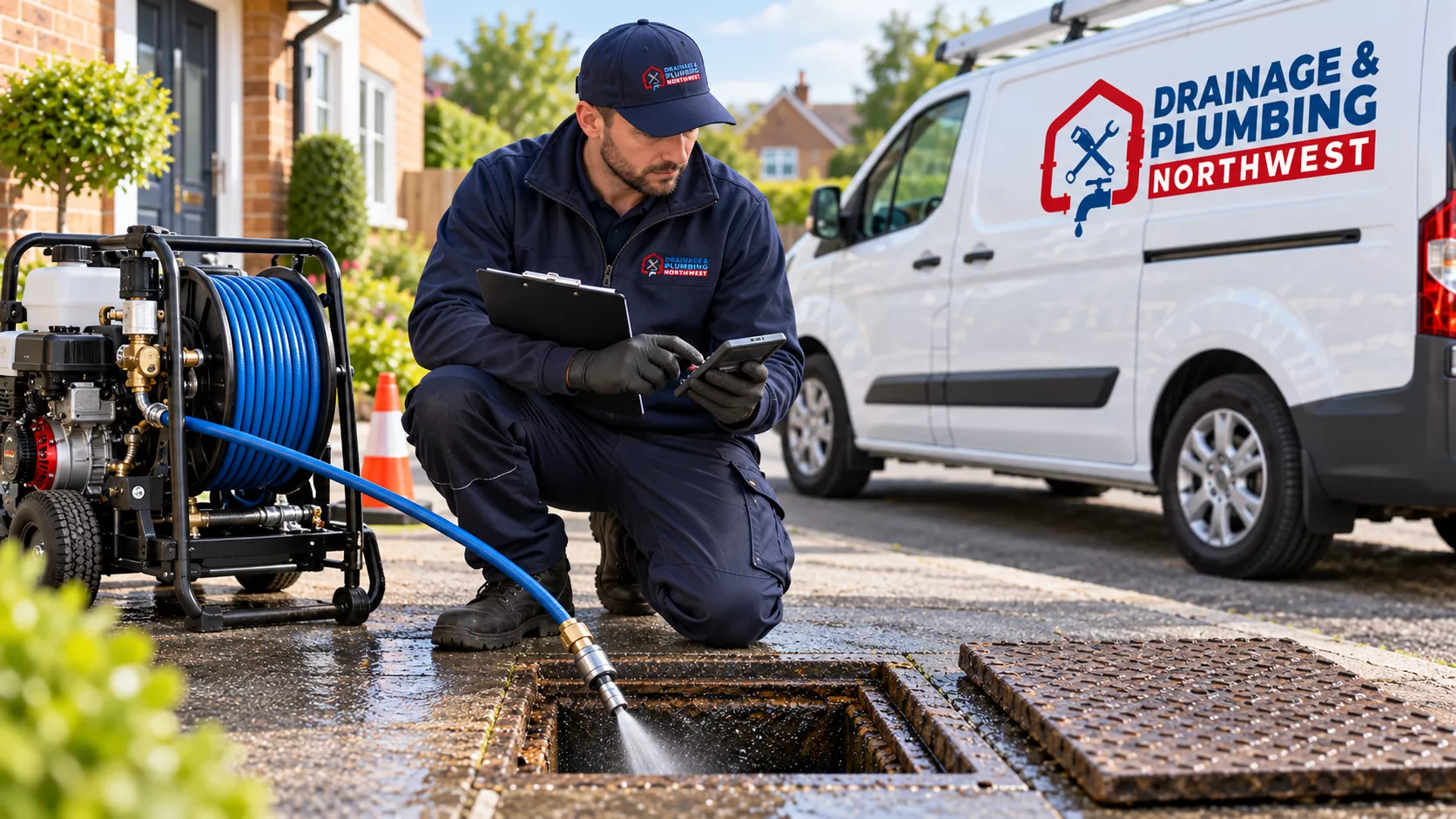
The method used also changes the price. Drain rodding usually costs £60 to £150 and is suitable for smaller obstructions. Drain jetting typically costs £70 to £300 and uses high-pressure water to clear more stubborn debris, while advanced hydro jetting can cost £200 to £500+. A typical domestic job may take one to two hours, although simple blockages can be cleared more quickly and complex problems may take several hours.
Call-out time and location can add to the cost. Standard call-out fees are commonly £50 to £100, while emergency, evening, weekend or bank-holiday work can cost £100 to £300+. Some firms add 50–100% out-of-hours surcharges. Prices also tend to be higher in London and the South East, although some fixed-fee companies use the same rates across their service area.
If a blockage keeps returning or its cause cannot be identified, a CCTV drain survey may be required. Prices generally range from £90 to £500+, depending on the length of the drain, complexity of the inspection and whether mapping or a written report is included. CCTV can identify cracks, displaced joints, root ingress, additional blockages and collapsed sections that cannot be seen from the surface.
Structural damage is where costs rise significantly. A localised patch repair may start from around £350, while more extensive repairs can cost £400 to £1,000+. Drain lining typically costs £100 to £250 per metre, and new pipework may add around £60 to £70 per linear metre, depending on depth, access and excavation requirements.
DIY methods can work for small blockages. A plunger is usually the cheapest option, while drain cleaners may cost £2 to £20, handheld drain snakes £20 to £50, and drain rods £15 to £140. Professional help is more appropriate for external drains, recurring blockages, several affected fixtures or suspected pipe damage.
Before paying a contractor, check who is responsible for the pipe. A drain serving only your property is usually your responsibility, whereas shared sewers or mains beyond your property boundary may belong to the water company and could be cleared without charge to you.
For most UK households, £80 to £250 is a sensible 2026 budget for standard drain unblocking. Expect the cost to rise towards £300 to £500+ for severe, inaccessible or recurring blockages, and above £350 if structural repairs are needed. Always ask for a clear written quote showing the call-out fee, labour rate, clearing method and any potential extras before work begins.
What Affects the Cost of Drain Unblocking?
The cost of drain unblocking depends mainly on blockage severity, location, accessibility, the equipment required, when the engineer attends and whether the pipe itself is damaged. A minor blockage that is easy to reach may need only basic tools and a short visit, while a deep, recurring or structural problem can require specialist jetting, CCTV inspection and repair work, increasing both labour time and the final bill.
Blockage Severity
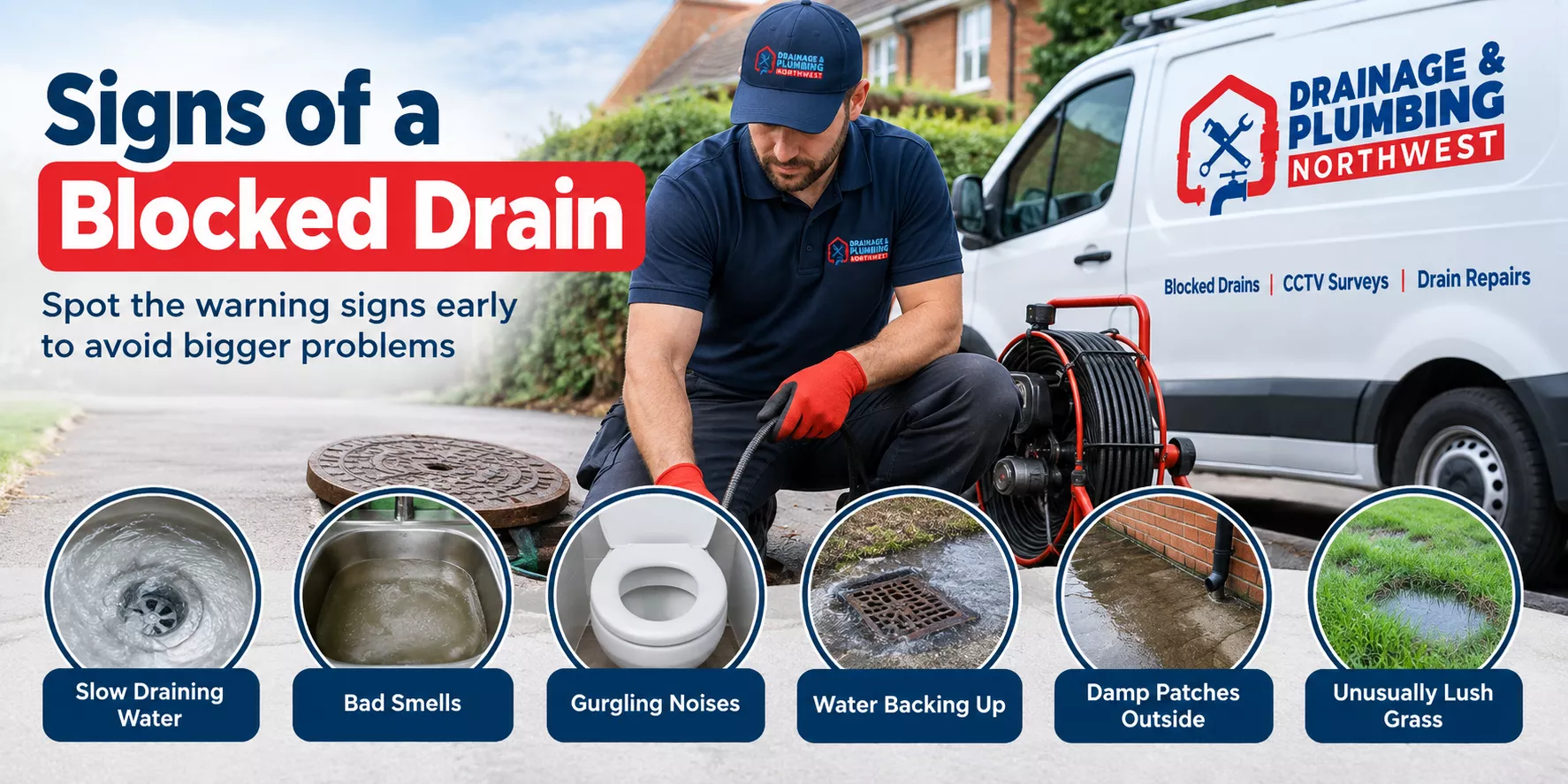
The more severe the blockage, the more it usually costs to clear. Minor blockages caused by hair, soap, grease, food waste, paper, debris or small objects are generally quicker and less invasive to remove, with competitor estimates ranging from around £60–£150, although some place minor jobs as high as £100–£250. Moderate blockages, such as stubborn debris or partially restricted pipes, may cost roughly £150–£400 because they take more time and effort. Severe or recurring blockages involving tree roots, heavy sewage build-up, extensive deposits or collapsed pipework can reach £300–£500+ and may require specialist equipment, CCTV investigation or several visits. Slow drainage, gurgling and unpleasant smells are useful early warning signs; dealing with them before the drain completely blocks can help prevent higher costs.
Location
Where the blockage sits within the drainage system affects how difficult it is to reach and clear. A blockage in an internal sink or toilet is normally more straightforward than one in an outside drain, underground pipe or sewer line. Drains buried deep below ground or positioned beneath driveways, patios or extensions can require additional planning, labour and equipment. Drain characteristics also matter: longer or larger-diameter pipes can take more time and may require more powerful equipment. Geographic location can affect contractor rates too, with prices generally higher in London and southern England than in many northern regions, while rural properties may face additional travel or contractor-availability costs.
Accessibility
Easy access usually means a quicker and cheaper job. An exposed sink pipe, toilet connection or accessible inspection chamber can often be worked on immediately, whereas a deep underground drain, restricted manhole or pipe beneath hard landscaping can take considerably longer to reach. Some competitor estimates put readily accessible drainage work at around £100–£300, compared with £250–£500+ for difficult-to-reach drains. Restricted access may require extra labour, specialist equipment or, where structural repairs are needed, excavation. This is also why an exact quote can be difficult without an on-site assessment: the engineer needs to establish the depth, position and available access before knowing what work is required.
Equipment Required
The equipment needed depends on the blockage type and complexity. A simple obstruction may be cleared with a plunger, drain snake or manual rods, while more stubborn blockages may require powered rodding or high-pressure water jetting. Professional rodding is commonly quoted around £80–£150, while drain jetting estimates can range from roughly £150–£300 and advanced hydro jetting may reach £200–£500+. Severe root intrusion, recurring blockages or an unidentified obstruction may also require a CCTV drain camera, with surveys commonly ranging from around £100–£500+ depending on the scope. More specialist equipment and skilled technicians generally mean a higher overall cost.
Time of Attendance
When you need an engineer can influence what you pay. A planned appointment during normal working hours is generally cheaper than an emergency, evening, night, weekend or bank-holiday call-out. Some drainage firms charge additional emergency or out-of-hours surcharges because engineers and equipment must be deployed immediately. However, not every company charges an emergency premium; some fixed-price services use the same rate regardless of attendance time. The amount of time spent on site matters as well when the contractor charges hourly. A simple blockage may take only minutes, while a severe or difficult-to-access problem can take several hours or require repeat visits. Prompt action can nevertheless save money where overflowing toilets, sewage back-up or flooding could otherwise cause expensive property damage.
Underlying Pipe Damage
Underlying pipe damage can turn a straightforward unblocking job into a much more expensive repair. Tree-root ingress, cracks, corrosion, leaking joints, pipe misalignment, ground movement, poor installation and collapsed sections can all restrict wastewater flow and cause recurring blockages. In these cases, clearing the obstruction may provide only temporary relief, so a CCTV inspection may be needed to identify the actual fault. Repairs can involve patching, excavation, pipe replacement or drain lining, with one competitor range placing lining at around £100–£250 per metre. The final repair cost depends on the extent of damage, pipe material and diameter, length of the damaged section, depth, accessibility and whether additional excavation is required. Finding structural problems early can therefore prevent a relatively small defect from developing into a more expensive repair.
In short, a small, accessible blockage requiring basic tools will usually cost the least, while a severe blockage in a deep or difficult-to-reach drain requiring specialist equipment, emergency attendance or structural repair will cost considerably more. A professional inspection is the most reliable way to establish the blockage’s severity, exact location, access conditions and pipe condition before an accurate price is agreed.
How Much Does It Cost to Clear Different Drains?
The cost of clearing a blocked drain in the UK varies mainly by drain type, blockage severity, accessibility, clearing method and whether structural problems are present. Internal fixtures such as sinks and toilets are usually cheaper to clear than deep external drains, main drains or shared sewers. As a general guide, professional drain clearance commonly ranges from around £60 for a simple internal blockage to £300+ for a complex main or shared drain problem.
| Drain Type | Typical Cost Range (Approximately) | Common Causes | Typical Clearing Method |
| Blocked bathroom sink, bath or shower | £60–£120 | Hair, soap scum, residue | Plunger, hand snake |
| Blocked kitchen sink | £70–£120 | Food waste, fats, oils, grease | Drain snaking |
| Blocked toilet | £70–£150 | Wet wipes, paper products, non-flushables | Toilet auger/mechanical clearing |
| Outside/gully drain | £100–£180 | Leaves, dirt, outdoor debris | Drain rodding |
| Outside drain with root intrusion | £150–£300+ | Tree roots, structural obstruction | Cutting, jetting, CCTV where needed |
| Main drain | £150–£300+ | Heavy build-up, scale, roots, structural issues | Rodding, jetting, CCTV |
| Shared drainage/sewer | £150–£300+ | Roots, recurring blockages, pipe defects | Advanced clearing and investigation |
Blocked Sink
A blocked sink is usually one of the cheaper drainage problems to clear because the pipework is normally easy to access. A bathroom sink, bath or shower blockage typically costs around £60–£120, while a kitchen sink blockage is commonly around £70–£120. Bathroom blockages are often caused by hair, soap scum and residue, whereas kitchen sinks are more commonly affected by food waste, fats, oils and grease.
Simple sink blockages are often classed as soft or minor obstructions and may be cleared with a plunger, hand snake or drain snake. Minor DIY methods can sometimes work, but recurring or deeper blockages may require professional investigation. Slow drainage is an early warning sign, and dealing with the blockage before the pipe becomes fully obstructed can help keep the cost down.
Toilet
Clearing a blocked toilet typically costs around £70–£150, depending on how severe the blockage is and how easily it can be reached. Common causes include wet wipes, excessive paper and other non-flushable items that become lodged in the waste pipe.
A straightforward toilet blockage may be cleared using a toilet auger or other mechanical clearing tools. However, an overflowing toilet or complete wastewater back-up can indicate a more serious obstruction and may require emergency attendance. Incorrect DIY attempts can also push the blockage further into the pipework or cause damage, which may increase the final repair cost.
Outside Drain
A standard blocked outside or gully drain generally costs around £100–£180 to clear. These drains commonly become blocked by leaves, soil, dirt and other outdoor debris, and rodding is often sufficient where the obstruction is accessible.
Costs can rise when the drain is buried deep underground or positioned beneath a driveway, patio or other hard surface, because access becomes more difficult and additional labour or equipment may be required. Tree-root intrusion is another common problem in underground external drains. Root clearance may cost around £150–£300+ and can require mechanical cutting, high-pressure jetting or CCTV inspection. If the pipe is cracked, collapsed or otherwise damaged, simple unblocking may not provide a permanent solution.
Main Drain
Clearing a main drain normally costs around £150–£300+ because these pipes tend to be larger, deeper and more difficult to access than internal waste pipes. Common causes include heavy deposits, scale, grease build-up, tree-root intrusion and structural defects.
Main drains may initially be cleared using rodding, but stubborn or deep obstructions often require high-pressure water jetting. CCTV inspection may also be needed where the blockage keeps returning or structural damage is suspected. Larger pipe diameters, greater depth, difficult access and positioning beneath driveways or extensions can all increase the amount of time and equipment required. Complex or recurring drainage problems may therefore move beyond routine clearance and cost £300 or more. The severity-based source similarly places complex or recurring drainage issues at £300+.
Shared Drainage
Clearing a shared drain or sewer is commonly estimated at around £150–£300+, although the final cost depends heavily on the location, accessibility and cause of the blockage. Shared drainage usually serves more than one property and may involve longer, deeper or more complex sections of underground pipework.
Common problems include tree-root intrusion, structural build-up, recurring blockages, cracked pipes, misaligned sections and collapsed drainage. These problems may require advanced clearing equipment, CCTV investigation or structural repair rather than basic rodding alone. Recurring blockages are particularly important because they can indicate a deeper pipe defect instead of a simple obstruction. Where damage such as root intrusion, cracking, collapse or misalignment is discovered, the job may move from drain clearing into repair work.
Overall, internal sink and toilet blockages are generally the least expensive to clear, while outside drains, main drains and shared drainage tend to cost more because they are deeper, harder to access and more likely to require specialist equipment. The final price should therefore be based not only on the type of drain, but also on blockage severity, access, required equipment and the condition of the pipework.
How Much Does Drain Rodding Cost?
Professional drain rodding in the UK typically costs around £60–£150, with £80–£145 being a strong benchmark for a standard job. Straightforward blockages may cost around £80–£100, but the final price depends on the severity and location of the blockage, access, labour time, call-out charges and whether additional treatment is needed.
Rodding works best for small or localised blockages in sinks, outside drains and some main sewer lines. Flexible rods are pushed through the pipe to loosen or break up the obstruction. It can also help with some root growth, but it is less effective for heavy, deep or recurring blockages because it breaks debris apart rather than fully flushing the drain.
An accessible outside drain may cost around £80–£150 where simple rodding is sufficient. Difficult access, deeper blockages, underground pipework or awkward bends can increase labour time and may require more advanced equipment. Private drain or sewer clearance can reach around £100–£200 depending on access and whether jetting or CCTV inspection is required.
Additional costs may include:
- Standard call-out: around £50–£100, often including the first hour
- Drainage contractor labour: around £50–£100 per hour
- Emergency/out-of-hours call-out: roughly £100–£200, sometimes higher
- Drain jetting: around £70–£250
- Rodding and jetting combined: around £180–£400
- CCTV drain survey: roughly £90–£350
If the blockage keeps returning or rodding fails, the problem may involve tree roots, cracks, worn pipework, misalignment or a collapsed drain. In that case, CCTV inspection and structural repairs may be needed, pushing the total cost well beyond basic rodding. New pipework can cost around £60–£70 per linear metre, while major collapsed-drain repairs can be significantly more expensive.
DIY drain rods typically cost around £15–£140, but they are best suited to simple, accessible blockages. Incorrect use can cause rods to become stuck or create further problems.
In most cases, expect £60–£150 for basic professional drain rodding, with higher costs where access is difficult, the blockage is severe, emergency attendance is required, or jetting, CCTV or pipe repairs are needed.
How Much Does Drain Jetting Cost?
Professional drain jetting in the UK typically costs around £70–£250. Straightforward, accessible domestic blockages are often around £70–£175, while severe main-line blockages can reach £150–£300.
The final price depends mainly on blockage severity, drain type, accessibility, location, labour time and the equipment required. Heavy grease, scale, deep outdoor debris or difficult access usually push the cost higher because the job takes longer and may need more specialist equipment.
Additional services can also increase the total:
- Fixed-fee jetting: around £100–£180
- Call-out fee: around £50–£100
- Hourly labour: around £60–£120 per hour
- Jetting + CCTV survey: around £180–£400
- Emergency/out-of-hours jetting: around £150–£300+
If tree roots have entered the pipe, standard jetting may not be enough. Mechanical cutting heads may be needed to remove the roots before the line is flushed, increasing the overall cost. Recurring blockages or suspected pipe damage may also require a CCTV drain survey.
Location matters too. Rates in London and other high-cost areas may be around 20–40% higher than national averages, while easy access through a manhole or cleanout point can help keep labour costs down.
In most cases, expect to pay £70–£250 for drain jetting, with costs rising towards £300–£400+ where the blockage is severe, access is difficult, emergency attendance is required, or CCTV and specialist root-cutting work are needed.
How Much Does a CCTV Drain Survey Cost?
A CCTV drain survey in the UK typically costs around £100–£350 for a standard residential property. Basic inspections may start from around £85–£165, while detailed homebuyer, drain-mapping, large-property or commercial surveys can cost £200–£500+. The final price depends on the survey type, property size, drainage-system complexity, length of pipework, accessibility, number of manholes and level of reporting required.
Key costs and factors include:
- Basic CCTV inspection: around £85–£165
- Full domestic survey: around £150–£350
- Homebuyer survey: around £200–£400
- Large/commercial survey: around £350–£500+
- One provider charges from £225 + VAT for up to four manholes, or £315 + VAT for drain mapping, with each extra access point from £67.50 + VAT.
- If the drain is heavily blocked, pre-survey jetting may add around £80–£150.
- Difficult access, longer pipe runs, complex drainage layouts and detailed reports with video, images, defect findings, pipe measurements and network mapping can increase the cost.
- CCTV surveys are most useful for recurring blockages, sewage smells, suspected structural damage, home purchases or unclear drainage problems.
In most cases, budgeting £100–£350 is reasonable for a standard CCTV drain survey, with costs rising where the property is larger, access is difficult, multiple manholes need inspecting, or detailed mapping and reporting are required.
How Much Does Emergency Drain Unblocking Cost?
Emergency drain unblocking in the UK typically costs around £150–£300, including an emergency call-out, labour and the equipment needed to clear the blockage. The final price depends on the type and severity of the blockage, whether it is internal or external, the equipment required, time of attendance, location and whether structural damage is found.
Key costs and factors include:
- Emergency call-out fee: around £100–£180
- Main drain/sewer clearance: around £150–£350
- High-pressure water jetting: around £150–£350
- Basic drain rodding: around £75–£150
- CCTV drain survey: around £90–£300
- Late-night, weekend or bank-holiday work: often 50%–100% above standard rates
- London and South East emergency bills: often around £250–£350+
- Structural repairs or excavation: roughly £400–£1,500+ where roots, collapsed pipes or serious damage are found
A straightforward emergency blockage may stay close to the £150–£300 range, but costs can rise quickly if the job needs jetting, CCTV diagnostics, out-of-hours attendance or structural repair. Fixed-fee pricing can help control costs, while premium hourly rates may increase the final bill on longer jobs.
Does a Recurring Blockage Cost More?
Yes, a recurring drain blockage usually costs more over time because repeated unblocking often treats the symptom rather than the underlying cause. Each clearance may cost around £80–£250, and persistent problems can indicate tree-root intrusion, broken or collapsed pipework, long-term build-up or another structural fault that basic rodding will not permanently fix.
Key additional costs can include:
- CCTV drain survey: around £90–£300
- High-pressure jetting: may be needed for stubborn grease, sludge or debris
- Drain relining: around £50–£110 per m² in the supplied source
- Major excavation or repair: around £600–£1,500+
- Repeated call-outs: multiple £80–£250 charges can quickly add up
The overall cost also depends on the blockage location, severity, accessibility, how often it returns and whether several drains are affected. In most cases, diagnosing and fixing the root cause is more cost-effective than repeatedly paying for temporary clearance.
Fixed-Price vs Hourly Drain Unblocking
The main difference is how the final bill is calculated. Fixed-price drain unblocking gives you one agreed fee before work starts, while hourly pricing usually combines a call-out fee with a labour rate based on how long the engineer spends on the job. Fixed pricing generally offers greater cost certainty, especially where the blockage is deep, stubborn, difficult to access or likely to take longer than expected.
| Feature | Fixed-Price Drain Unblocking | Hourly Drain Unblocking |
| Typical cost | Around £100–£250 for standard domestic clearance | Usually £50–£100 call-out + £60–£120 per hour |
| Straightforward blockage | Agreed fee remains the same | May cost around £150–£200 |
| Stubborn/complex blockage | Usually stays at the agreed price if within the quoted scope | Can rise to £300–£400+ |
| Job duration | Normally does not affect the agreed fee | Longer work directly increases the bill |
| Call-out fee | May be included or not charged | Often charged separately |
| Cost certainty | High | Lower |
| Difficult access | Usually assessed and included in the quote | Extra time can increase the total |
| Jetting/CCTV | May be included if specified in the agreed scope | May add extra time or charges |
| Evening/weekend work | Depends on provider; some charge the same 24/7 | Some firms add 50–100% surcharges |
| Best suited to | Deep, unpredictable or time-consuming jobs | Very quick, straightforward blockages |
Fixed pricing works best when the scope is properly assessed first. Drain type, pipe diameter, blockage severity, depth, accessibility and the equipment required can all affect the quote. For example, a simple grease blockage may take around 20 minutes, while a deep blockage involving tree roots could take two hours or more and require specialist jetting or CCTV equipment. With fixed pricing, the agreed fee protects the customer from time-based cost increases; with hourly charging, the longer the engineer works, the higher the bill may become.
Hourly pricing can still offer good value where the blockage is simple and clears very quickly, but it carries more uncertainty for deep, recurring or structurally complicated problems. Before booking either type of service, confirm whether there is a call-out fee, what equipment is included, whether difficult access or out-of-hours work costs extra, and whether the quoted price is confirmed in writing.
In general, fixed-price drain unblocking offers better cost predictability, while hourly pricing can be cheaper for a genuinely quick job but carries a greater risk of the final bill increasing if the blockage takes longer to clear.
What Should Be Included in a Drain Unblocking Quote?
A clear drain unblocking quote should explain exactly what is included in the price and what may cost extra. At a minimum, it should itemise the call-out fee, labour charge, expected pricing structure, clearance method and equipment required. Labour should be shown either as a fixed price or a clear hourly rate, while the quote should state whether the initial attendance includes diagnosis, minor rodding or any minimum labour period.
The quote should also specify how the blockage will be cleared, such as manual rodding, a mechanical drain snake or high-pressure water jetting. If further investigation may be necessary, the potential cost of a CCTV drain survey should be identified separately, especially for deep, hidden or recurring blockages.
Other important inclusions are VAT and waste disposal. The contractor should make clear whether these are already included in the quoted total or will be added afterwards. Any possible night, weekend, bank-holiday or emergency surcharge should also be disclosed before work begins.
Finally, the quote should explain what happens if the blockage is caused by broken, damaged or collapsed pipework. Structural work such as drain lining or excavation is normally separate from basic drain clearance, so these repairs should have their own pricing or be clearly excluded from the original quote.
In short, a transparent quote should clearly show the base price, call-out and labour charges, clearance method, equipment, VAT, waste removal, potential CCTV costs, emergency surcharges and any structural repair exclusions. This makes it easier to compare contractors and reduces the risk of unexpected charges once the work has started.
Are There Call-Out Charges?
Yes, call-out charges are common in the UK, but fees and inclusions vary by drainage company. A standard-hours call-out typically costs around £40–£100, while emergency or out-of-hours attendance can cost £100–£250+ depending on urgency and time of day.
Typical inclusions may cover:
- Travel, fuel and vehicle costs
- Initial diagnosis or assessment
- First 30–60 minutes of labour in some cases
- Minor rodding with certain providers
Some companies charge the call-out fee even if you do not proceed with the repair, while others advertise no call-out charge. Before booking, confirm whether the fee includes diagnosis, labour or basic clearance, and whether any additional hourly rates, equipment costs or emergency surcharges apply.
When Can a Blocked Drain Be Cleared by the Water Company?
A blocked drain can usually be cleared by the water company when the problem is in a lateral drain, shared drain or public sewer, rather than in private pipework serving only your property. A useful rule is that blockages outside your property boundary or affecting more than one property are more likely to fall under the water company’s responsibility.
A private drain normally carries wastewater from one property and is usually the homeowner’s responsibility. If only your home is affected, your neighbours have no drainage problems and the blockage appears to be within your boundary, you will normally need to arrange a plumber or drainage contractor yourself. Internal symptoms such as an upstairs blockage while downstairs drainage still works can also point towards a private problem.
Responsibility is more likely to sit with the water company where:
- the blockage is beyond your property boundary
- the affected pipe is a lateral drain connecting your property to the public sewer
- the drain is shared by several properties
- the blockage is in a public sewer beneath a road or public land
- several neighbouring homes are experiencing the same drainage problem
Where the water company is responsible, it can investigate the issue, clear the blockage and deal with repairs to the relevant public or shared pipework. In England and Wales, many lateral drains and shared sewers transferred to water-company responsibility in October 2011.
Before paying for private drain unblocking, check whether your neighbours are experiencing the same problem and whether the blockage appears to be outside your boundary. If several properties are affected or a shared/public sewer is suspected, contact the water company first. If they confirm the blockage is within your private drainage system, you can then arrange professional clearance yourself.